Sound crew and Performance essay
Engineering side
How to setup a three-way system
Start by stacking Mids on Subs and Tops on Mids, so that the Tops are at the top and Subs at the bottom on both sides of the stage so that there are two stacks. Then connect both sub speaker to the sub amp. Do the same with the Mids and Tops, so that mid speakers are connected to the mid amp and tops with the top amp use speak-on cables to connect the amps to their speakers and then coil them in groups such as sub speak on cables together in their own pile then mids cables in a pile then tops cables in a pile, make sure that these cables aren’t next to power cables so that it doesn’t affect the audio going through the speak-on cables.
How to set up the mixing desk
The mixing desk is used to control all the different signals and acts like a central hub. All the signals go into the mixing desk from the input of the stage box and go out to a Graphic EQ using a XLR cable then from the Graphic EQ to a Noise gate with a XLR cable then to a compressor with a XLR cable to a crossover via XLR which then goes to Tops, Mids, Subs and monitor amps through patchbay cables.
What is a Graphic EQ, Noisegate, Compressor and Crossover?
A Graphic EQ is audio equaliser that allows you to control specific sections of frequencies and is used tho adjust audio signals. There are many different types of EQ’s like Parametric EQ which offers more detailed adjustments.
A Noisegate automatically closes channels when there is no signal coming through. It works by monitoring the audio signals and if the signal is below a certain limit it closes the channel. This makes so that unwanted signals aren’t able to be heard.
A compressor gives you control over the dynamic range, which is the how loud or quite something can be. It works by boosting the quieter signals and diminishing the louder signals. This is useful for making the music sound louder.
A crossover is used for separating one signal into multiple signal frequencies, so that the sub (low) frequencies can go into the sub amp, the mid frequencies into the mid amp and the high frequencies into the tops amp. This avoids amps blowing up and is essential for three-way systems.
Set up stage box
The stage box is used so that the mic’s, backline and Front of house can be set up further away from the mixing desk. To set up a stage box you need to plug inputs 1-16 into the mixing desks inputs and plug the outputs 17-24 into the aux of the mixing desk so that you can send signals to the desk and have foldback for the monitors. Once this is done you can plug in a maximum of 16 mic’s into the stage box and have up to 7 monitors using the outputs of the mixing desk. The drum kit’s mic will go to the mixing desk through the stage box just like the other instruments and the vocalist.
How to setup a backline
The backline is made up of the musicians amps which are combi amps because they have both an amp and a speaker inside the cabinet and because of this are active speakers. To set up a backline you need to mic up the combi amp with a dynamic mic and connect it to the stage box using an XLR cable for each instrument.
How to mic up a Drum kit
Kick drum: place a dynamic microphone in the centre of the drum because a condenser cant manage the SPL (sound pressure levels) of the kick drum. Channel 1 on the stage box.
Snare drum: Dynamic microphone. Channel 2 on stage box
Hi Hat: condenser microphone. Channel 3 on stage box
Tom 1: dynamic microphone. Channel 4 on stage box
Tom 2: dynamic microphone. Channel 5 on stage box
Tom 3: dynamic microphone. Channel 6 on stage box
Tom 4: dynamic microphone. Channel 7 on stage box
Overhead: 2 condenser microphones above the drum kit to get the sound of the cymbals.Channel 8 & 9 on stage box
How to set up monitors
Monitors are for the musicians and vocalists so they can hear themselves.
They can be set up by having the monitor amp with the other amps under the mixing desk and you send the signal goes through the stage box to the mixing desk to the monitor amp then back to the desk and to the stage box via aux. The monitors need power and connects to the stage box output channel.
Different roles in setting up a gig
There are many different roles in a sound crew but they can be spilt into two different categories: Rigging crew and Sound Crew
Rigging crew:
The rigging crew moves all the equipment into the venue like speakers, amps, mixing desk, monitors, stage boxes, drumkit, mics and combi amps.They put them in position and connect all the components together.
Risks for rigging crews:
- Being crushed by heavy equipment (speakers, mixing desks ect..)
- Electrocution from not connecting wires properly
- Blowing up amps by not patching the crossover properly
- tripping over wires
Sound crew
The sound crew check if everything is working properly, ring out the room which involves adjusting the EQ to fit the room acoustics. They also soundcheck everyone on stage and adjust the volume levels so everyone can be heard clearly.
How to soundcheck?
The soundcheck is to adjust the EQ of signal it starts with the drummer first the kick drum and only the kick drum, then only the snare, then the Hi-Hat, then Tom 1,2,3,4 and then the overheads. Once all of the drum kit is soundchecked you sound check the whole kit over again and adjust what needs to be adjusted.
after the drummer is finished you soundcheck the bassist, then the guitarist and then the vocalist last. once all of that is done you soundcheck the whole band.
Risk for the sound crew:
- Risk of electrocution if someone spills water on the equipment.
- Damaged ears if the high frequencies are too loud.
How did the set up go?
We started by packing keyboard Amps, Guitar amps, Bass amp, Sub speakers, Mid speakers, Top speakers, stage box and power extensions into roll-able crates so that we could move all the equipment down to floor 1 by elevator. This went well and everything was efficiently packed so that everyone only did one trip.The cables, mixing desk and instruments were also brought down using the lift.
After all the equipment was in E127 we reassembled it and everyone was assigned a job, so that everyone knew what they had to do. My job was to setup the back-line with Imran. Me and Imran first got the amps out the crates and next to the stage with on one side the guitar amp and keyboard amp and on the other side a bass amp and a keyboard amp. After placing the amps we set up one keyboard stand on each Side with a keyboard on top and plugged the keyboard to the amp using 1/4 inch jacks and then powered the keyboards. then we plugged in the bass and guitar using 1/4 inch jacks and used kettle leads to power the amps. We then mic’d up each amp individually, using XLR cables and dynamic mic’s with the XLR cables going into the stage box.
How did the De-rig go?
After the performance was done we had to De-rig everything, which means put everything back where it originally was. I worked on the backline so i put all the amps, kettle, leads, quarter inch jacks, mics and tripods back in their crates to be wheeled back to the 4th floor. Once all that was done we went for lunch since our jobs were finished.
Performance side
For the gig we were put into groups depending on what songs we wanted to cover. My group comprised of Awa, Steph, Keanu and Me. We all wanted to cover Changes by David Bowie out of all the songs given. After everyone was in their group we were told that we also had to cover another song and make an original for our performance on the 31st of October. Then we started Rehearsals.
Rehearsals:
1st: Targets: Identify dynamic structure of changes by David Bowie and Apply correct technique to produce a warm tone. In this rehearsal i successfully identified the dynamic structure of Changes (intro, Verse 1, Chorus, Verse 2, Chorus, Bridge, Chorus, Outro) and managed to create a warm bass tone to accompany the songs warm atmosphere, by turning up the toe knob and the bass and not using a plectrum. We also arranged what everyone was playing for Changes and decided that Steph would be on guitar, I would play bass, Keanu would be on the drums and Awa would be singing the whole song.
2nd: Targets: Apply correct technique to perform the song at the right tempo and Apply melodic bassline to make it catchy. I didn’t complete any of these targets in this rehearsal instead we worked on the lyrics to our original song called “Fall”. We decided that “fall” was going to be a combination of Dubstep and soul with me, Awa and steph singing singing. Whilst we were doing this Keanu was making the Dubstep backing track.
3rd: Targets: Refine performance skills and Experiment on different strumming techniques for Changes. Steph and Keanu didn’t turn up to this rehearsal so me and Awa did what we could. I refined my performance skills and Experimented different strumming patterns for Changes but didn’t end up putting any of them into use, because i felt the original strumming pattern was better. We went over the two songs that we had and worked on our weaknesses to improve our overall performance, I worked on my vocals by doing vocal warm-ups.
4th: Targets: To refine our performance skills, decide what Fiaz is doing on which song and To use diaphragm to help projection on our original song. We chose Three little birds by Bob Marley as the second cover song and had Fiaz in this rehearsal because he wasn’t in a group so he had to help in each group for a song, but he left later on in the term so we didn’t use him in the performance. He was meant to play guitar on Three little birds. We only rehearsed three little birds in this rehearsal because it was our weakest song. On Three little Birds we decided that Steph and Awa would sing, Keanu would play drums and i would play the bass. This was meant to be our last rehearsal but no one was ready for the performance so they rescheduled it for the 14th of November.
Half term: I Practice by myself on Changes and Three little birds because i was away for the half term.
5th: Targets: Complete all songs to a high standard, Demonstrate knowledge of all individual parts, rhythms, syncopation, tones, melodies, harmonies and lyrics. Perform one complete song to Carrie between 4:30-4:45. This was our first rehearsal since our week break and only me and Awa showed up. so we rehearsed the songs that we could do as a duo. I only completed the last target of performing to Carrie. We performed Three little birds and Carrie helped us sort out what we were doing wrong, She told me that my syncopation was off but that i would be sorted out when we had a full group and she gave Awa some vocal tips.
6th: Targets: Demonstrate accurate knowledge of lyrics, melody, harmonies, tone and structure for feeling good by Nina Simone. In this rehearsal we changed Changes by David Bowie to Feeling good because Changes was too difficult and we felt that we weren’t going to be able to correctly perform the song. We also decided what everyone was going to play, me on the Keyboard, Awa Singing, Keanu on drums and Steph on bass. I taught Steph the bassline and we practised Feeling good for the rest of the rehearsal.
7th: This rehearsal was our last rehearsal before the performance we practised Feeling good and “fall”. This rehearsal wasn’t vert effective because Steph and Keanu got into an argument about Keanu’s participation in the group which ended with him walking out the rehearsal. We also changed the genre of “Fall” because Steph was having trouble singing the 140 bpm tempo. We also changed what everyone was playing for Fall. I was now on guitar instead of singing, Awa was now on the Keyboard instead of singing and Keanu was now on the drums. I created a chord progression out of the old song and Awa played a simple piano melody over it.
What went well in our rehearsals?
- We worked well as a band, most of the time.
- We gave each other constructive criticism when we felt something needed improvement.
- We listened to each others opinions, most of the time, even if we didn’t agree with them.
What were the issues?
- Not everyone turned up to rehearsals.
- Most of the time no one practised the songs at home.
- It took ages for problems in songs to get changed or fixed.
The performance
We where the first group to play in our year and so there was a bit of pressure. For the soundcheck we played Three little birds. Our soundcheck wasn’t good i was playing in and out of time with Keanu and because of that the timing for the vocals was off but that wasn’t too important since it was only a soundcheck. when we went back on to do our actual performance it went much better i was facing the crowd more and playing on time for Three little birds and the vocals were also on time. I missed a couple notes but manage to catch back up to the vocals smoothly. Feeling good went well as well except for the count in at the beginning which i made Keanu restart because either i messed up or he did, cant remember.We were all on time and had no issues with the turn arounds in the song. We didn’t perform “Fall though because Steph and Awa felt like it wasn’t ready. Overall The performance was acceptable and it felt good that we didn’t absolutely ruin the songs.
Song structure presentation
Song structure
The song structure is how the song is arranged. The arrangement of verses, choruses change per genre for example a typical pop song is Intro, Verse 1, Chorus, Verse 2, chorus, Bridge, Chorus, Outro.
Intro: The intro serves to introduce the theme,tone or melody of the song.
Verse: The verse is used to explore the themes of the song and strengthen the ideas of the chorus. It has the same melody but different lyrics each time.
Chorus: The chorus is what will be remembered of the song and is a summary of the verses. It often has the title in its lines. It has the same melody and lyrics each time.
Bridge: The bridge is often a change of rhythm or key to keep the song exciting, or to show a different perspective.
Middle 8: The middle 8 is like the bridge except its tends 8 bars long and is in the middle of the song to break up the repetition of the song.
Outro: The Outro gives a resolution to the song and provides an definitive end.
The song structure for bon iver’s song skinny love is Intro, Verse 1, Verse 2, Chorus, Verse 3, Chorus, Bridge, Outro.
Backline and front of house
The back line is the amps the musician use on stage.
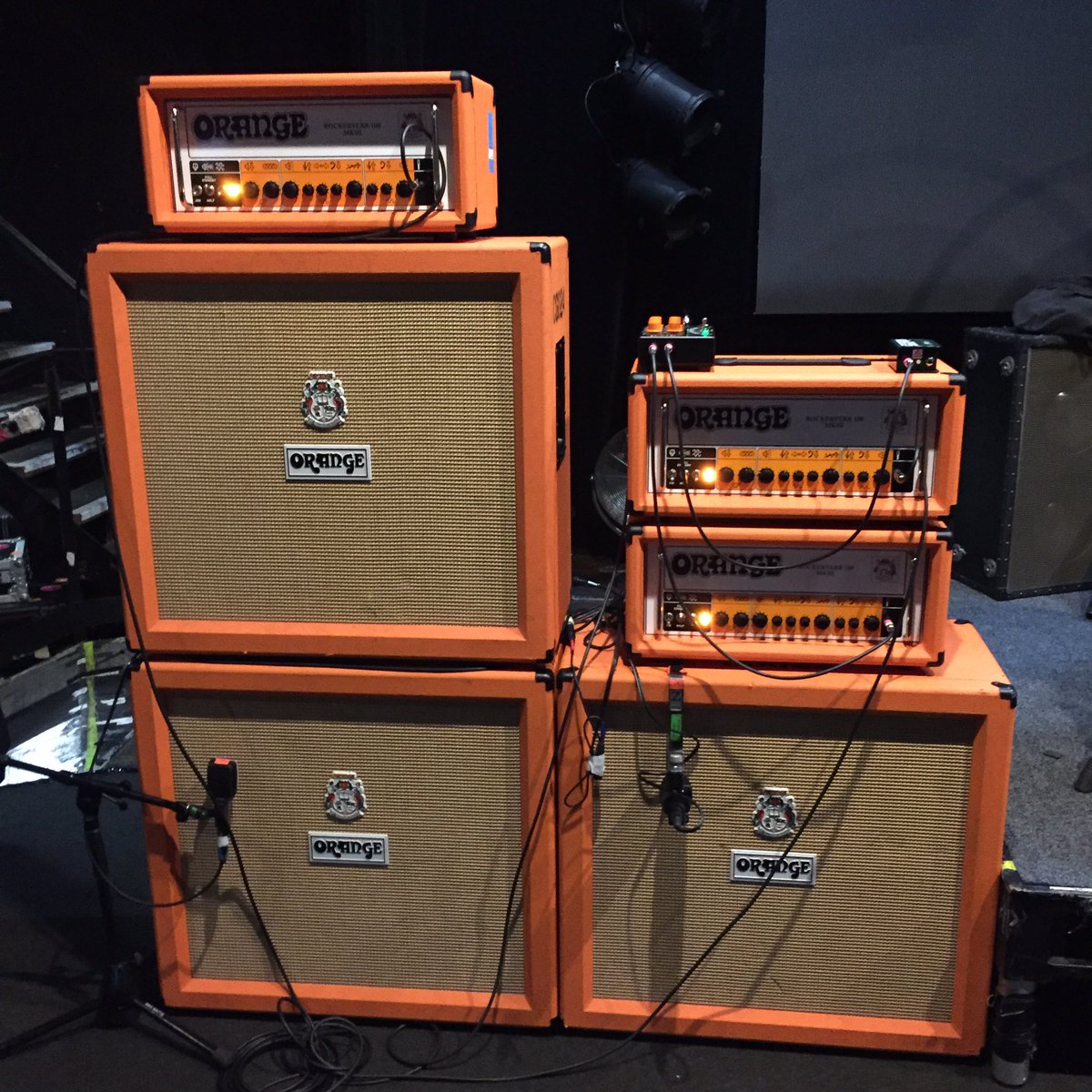
The Front of house is the speaker the audience are mainly hearing and the speakers the engineer focuses on mixing.

Mic up a drum kit
An eight piece drum consists of a:
- Ride cymbol – Condenser mic
- Snare – Dynamic mic
- Kick drum – Dynamic mic because it can handle the high Sound pressure levels (SPL)
- High tom -Dynamic mic
- Mid tom – Dynamic mic
- Low tom – dynamic mic
- Crash cymbol- condenser mic
- High Hat – condenser mic

Crossover
Crossover separates one input signal into multiple output signals of different frequencies.

Stage box
A stage box used to connect microphones and other equipment so that the mixing console can be further away. It carries phantom power for condenser Mics.
1-16 inputs 17-24 outputs

Three way sound system
Three speakers each side consisting of one top speaker, one mid speaker and one sub speaker. The speakers connect to their own amplifier with speak on cables, sub speakers with sub amp and so on. The amps are connected to a mixing console.
Output mixing console to input of amp, output amp via speak on cables to input of speakers.
Comparing live performances
Cream
Cream is a British rock trio known for blending blues psychedelic rock and Hard rock. The band consists of Eric Clapton, Jake Bruce and Ginger baker. Eric Clapton was known previously to Cream, he was in another blues band called John Mayall’s Bluesbreakers and before that had been in a band with jimmy page, who went on to be the guitarist for Led Zeppelin. Cream’s music is full of powerful blues riffs with jazz inspired rhythms and psychedelic lyrics.
Sunshine of your love -1968 Royal Albert Hall
They are performing in the Royal Albert hall, which has a capacity of 5000 people. The audience is mostly comprised of fans of heavy rock music.
Their live performance of Sunshine of your love is energetic, loud and powerful. It last a total of a 6 minutes, in contrast to the album version that only lasts 4 minutes. Creams performances tend to go on for a while because they improvise alot and carry on playing even when the song is over. In comparison with Bon Iver and Frank ocean it’s more aggressive and more technical, whereas Bon Iver and frank oceans performances have a slower tempo. Their performance showcases their technical ability on their instruments.
Ginger baker (drummer) gives an energetic and powerful performance with a rock steady beat, Eric Clapton (guitarist) is composed and doesn’t really move throughout the performance unlike Jake Bruce (bassist) who is full of energy and headbanging when not singing abit like the audience which is clapping and screaming throughout the whole song.
They use in this performance:
- Two dynamic mics
- A bass and amp
- a guitar and amp
- a mic’d up drum kit
Frank Ocean
Frank ocean is a Alternative R&B artist from California. He started off ghost writing for pop artists and was apart of odd future before finding critical acclaim for his debut album Channel Orange. His music is very diverse and filled with meaningful lyrics.
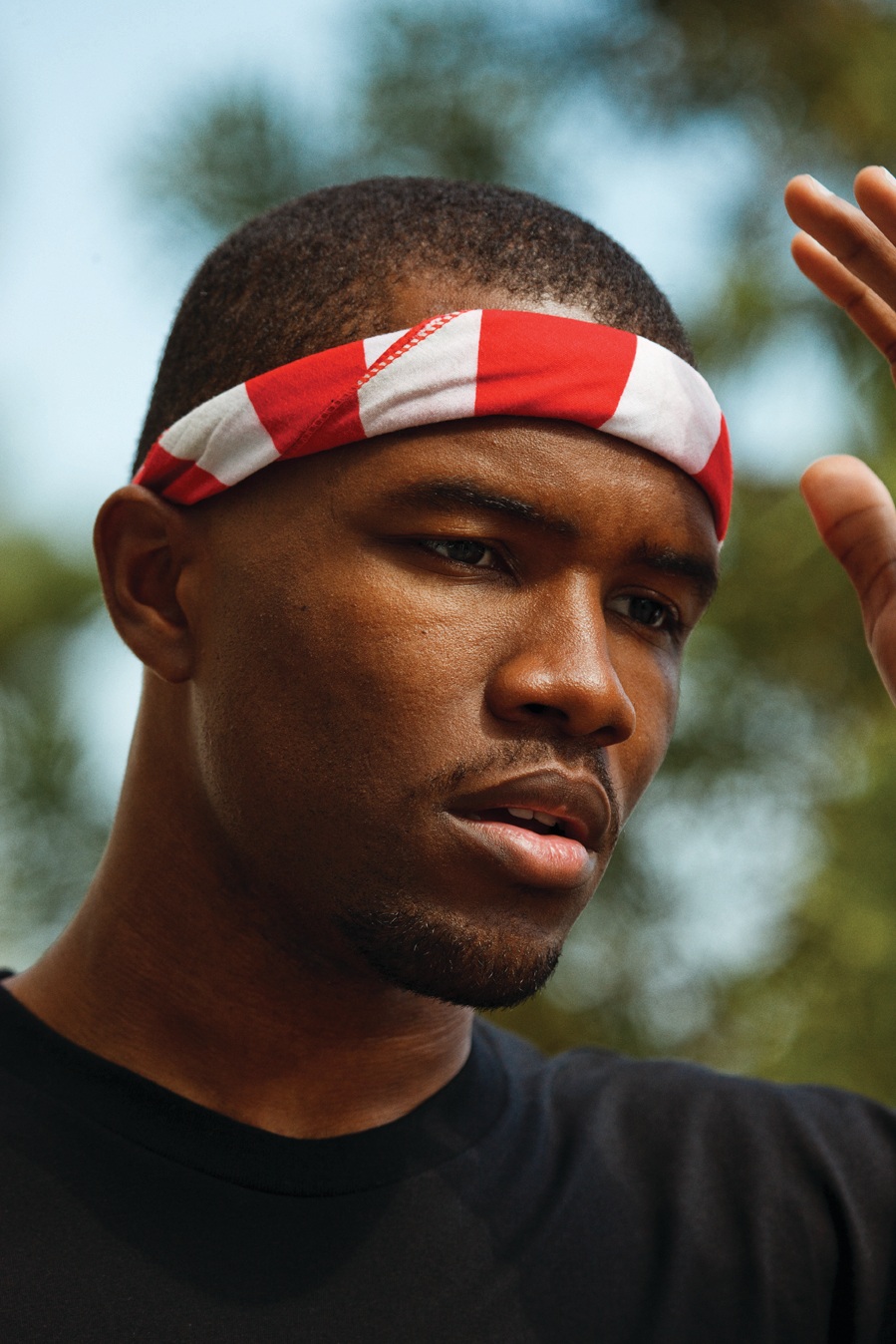
Thinkin bout you – SNL 2013
Frank performs a minimal version of his song thinkin bout you. Like Bon Iver’s performance it starts with just vocals and guitar and slowly builds up to a full band, but instead of being in a small room he’s on American TV to a smallish crowd in perform but many more at home watching on TV. The performance sound’s very clean unlike Cream’s and doesn’t contain any improvisation.
He is very calm and composed throughout the performance siting on a stool and singing. He uses an echo effect on his voice and is accompanied by two guitarist, one of which is John Mayer, a bassist, a drummer and a pianist.
This performance requires:
- A Dynamic mic for the singer
- Two guitar amps for each guitarist
- One bass amp
- A drumkit
- A keyboard
Bon Iver
Bon Iver is a Indie folk band by songwriter Justin Vernon. Justin started the band after his previous band broke up and recorded the debut album For Emma Forever Ago in a remote Cabin in the woods. The bands music is soft with angelic harmonies and very emotional.
Skinny Love – A take away show in Paris 2008
The song skinny love is very emotional and this performance captures the vulnerability that’s present in the song. He performs the song in a cramped room with maybe 15 to 20 people in the audience. The song starts with just him on an old resonator guitar singing softly and over time it get louder and louder until the whole room is singing. They only use an guitar and a drum and a backup singer for the harmonies. Its the complete opposite of Creams performance and has similarities with Franks soft performance.
This performance needs:
- A resonator guitar
- An amp
- A low tom
- A backup singer
Leads/Cables
Speak on cables: Used for high current audio connections

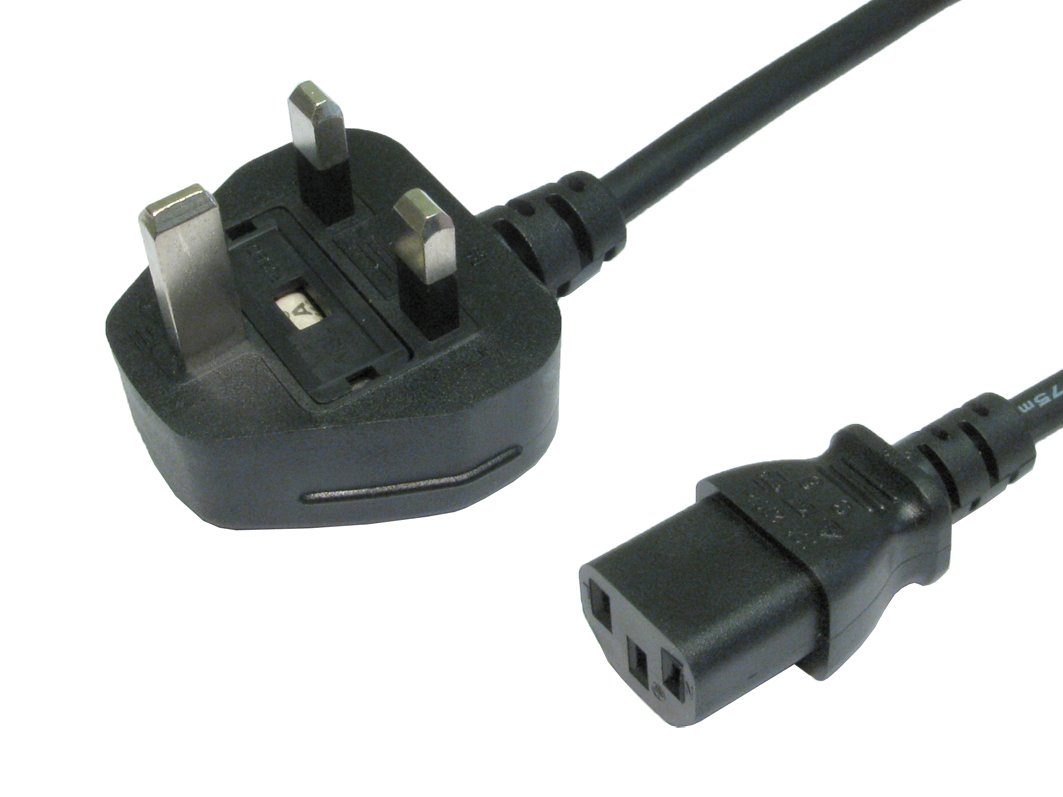
Kettle lead: provides power to equipment.
XLR cables: used for audio, has 3 to 7 pins depending on the design, the middle pin on the 3 pin design contains phantom power and the other two are for audio and noise cancellation, which means that the cable is balanced.
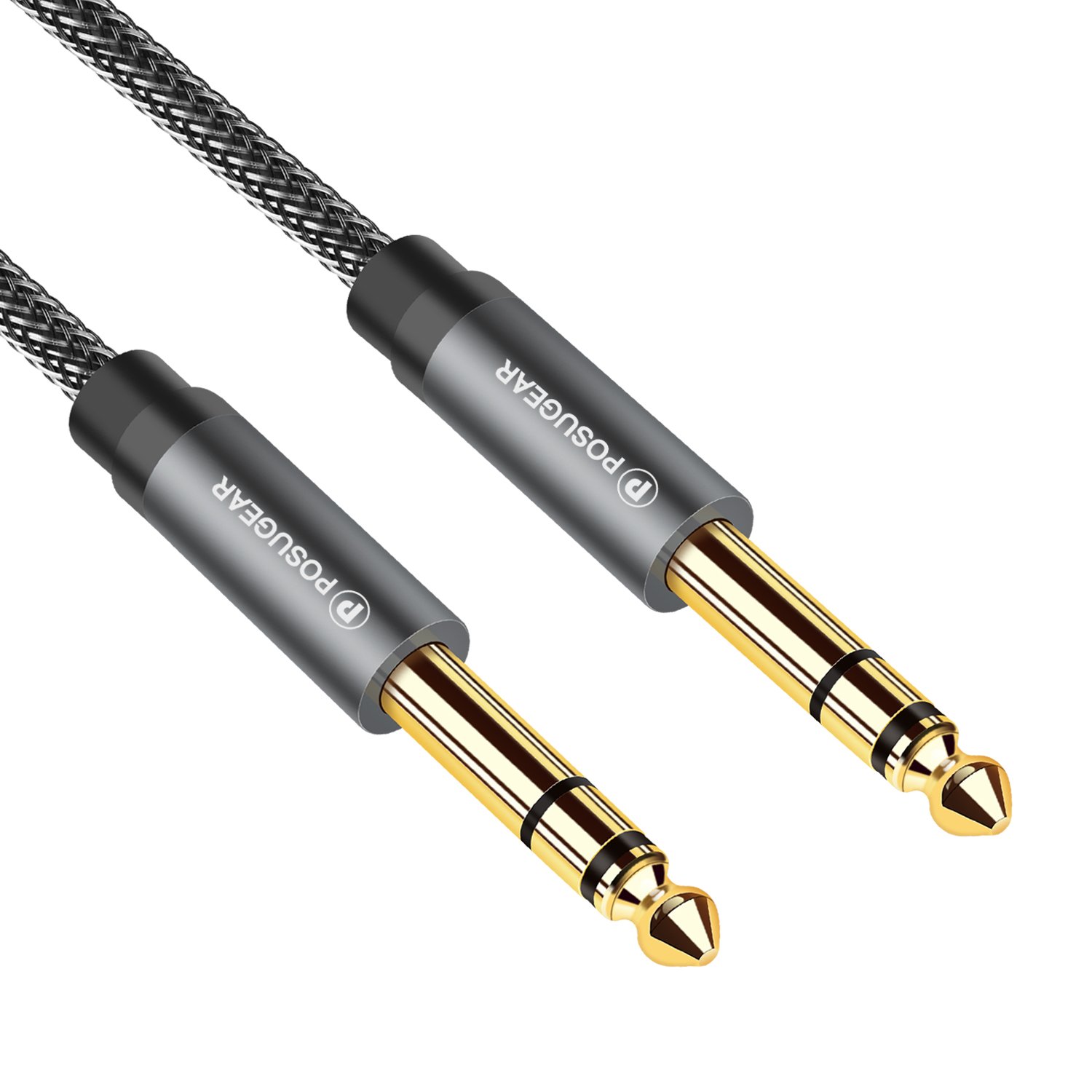
quarter inch jack: used to carry audio from instruments. Some quarter inch jacks have two rings which means that it is balanced and provides cleaner audio.
Patchbay
A patchbay is device that allows you to control where all the signals are going through inputs and outputs. This helps keep everything simple so that you know that every audio signal is coming either in or out of the patchbay. A unit of a patch bay always has a Top line and a Bottom line, the Top line is always for outputs and Bottom line is always for inputs.
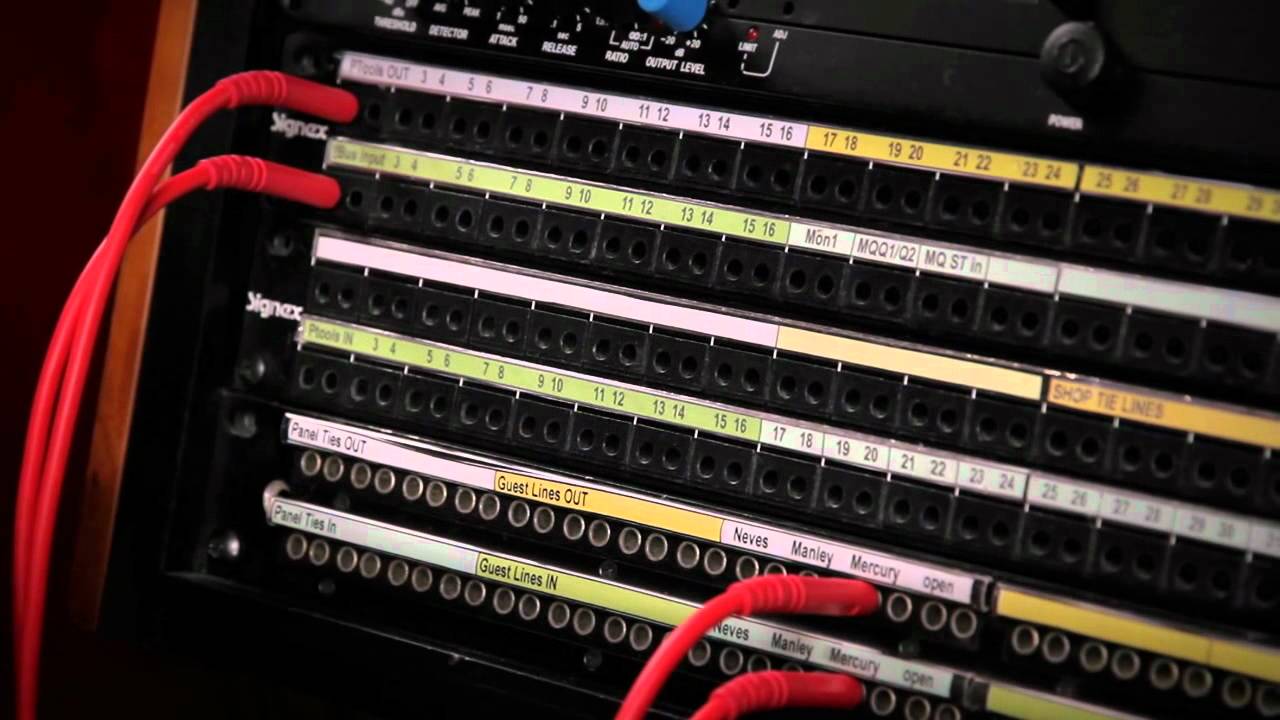
Microphones
There are two types of microphones that are commonly used. The first is the Dynamic Mic and the second is the condenser mic.
Dynamic Microphones
This mic is used for live sound because it doesn’t require power and is robust. It uses a magnet and a coil to create a current when the diaphragm vibrate forwards and backwards because of the sound waves.
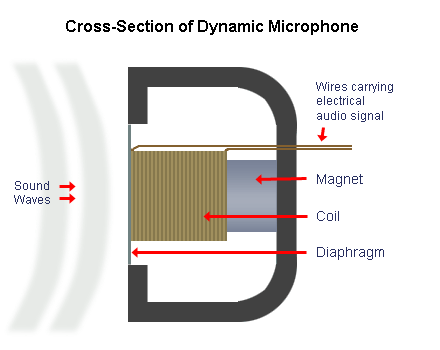
Condenser Microphones
This mic is generally used in a studio setting because it requires Phantom power to function, Phantom power is 48 volts and is usually provided through XLR cables . It picks up sound waves from the two plates moving closer or further away from each other because there is a current through the two plates.

Polar Patterns
Cardioid: common pattern used in a studio and live setting because of its reliability. Its most sensitive from the front and is less sensitive on the sides and the bottom. it comes in different variation (e.g. Super cardioid and Hyper cardioid) which is more sensitive on the bottom.

Figure of eight: this polar pattern is used for vocal or instrumental duets because its sensitive on the top and the bottom and doesn’t allow sound from the side.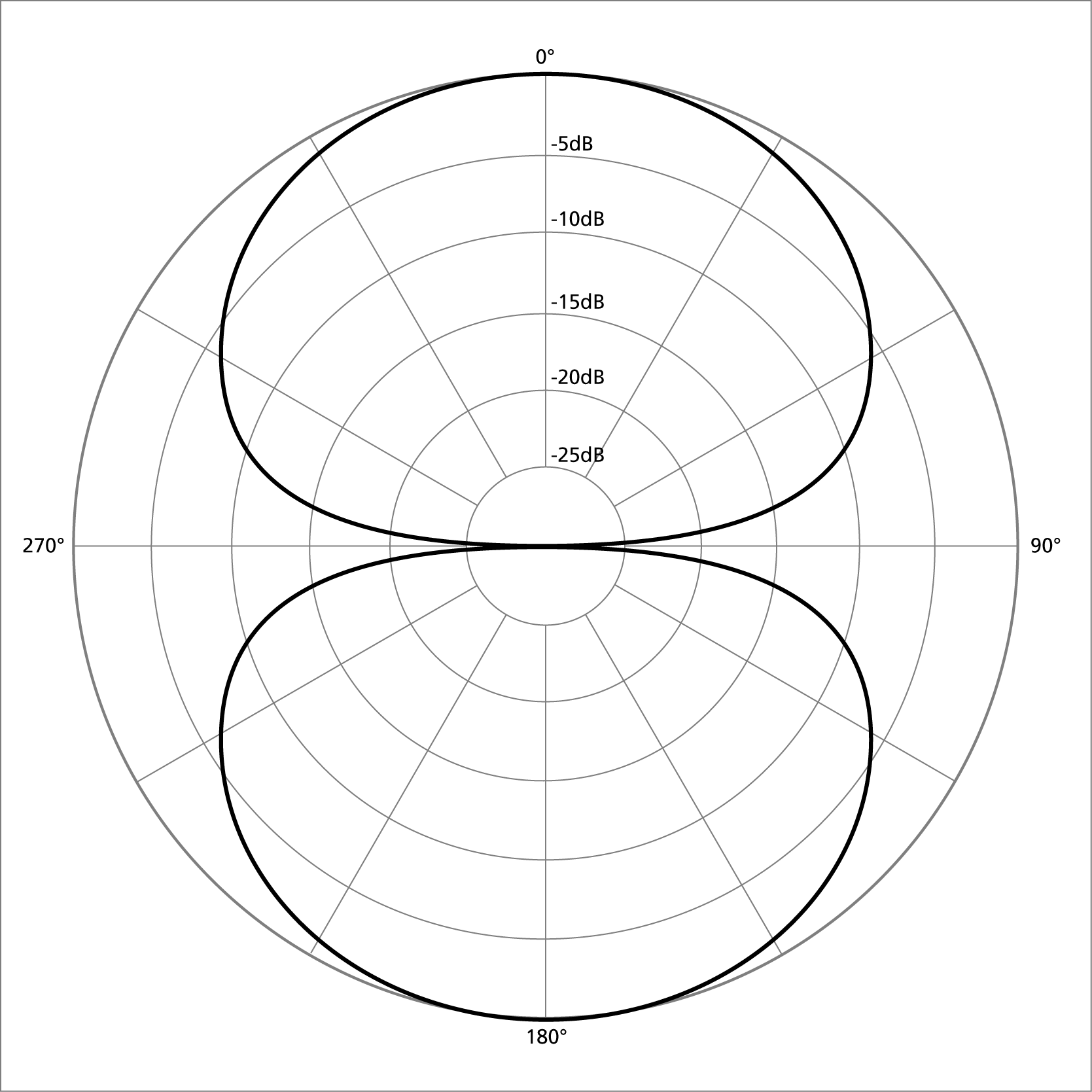
Omnidirectional: this pattern has the same sensitivity all around. Its used for recording acoustic instruments, choirs and orchestra’s.

Mic Accessories
Mic cradle or Shock mount: Prevents vibrations from the ground being picked up by the mic. Just for Condenser mics because they’re really sensitive.
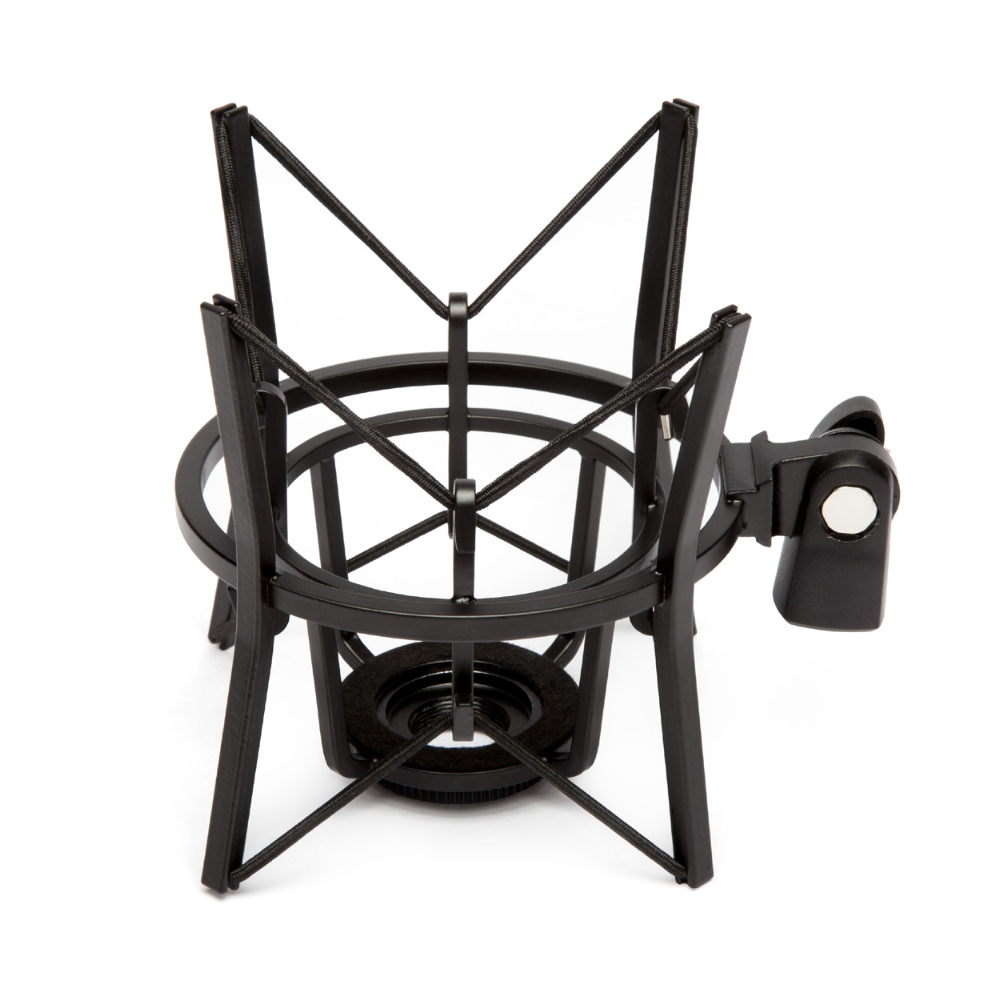
Mic clip: Holds dynamic mics in place.

Pop shield: Cancels the pops of the P’s (stops proximity effect).

Tripod: holds the mic and its accessories in place.

Reflective/reflection filter: it absorbs sounds that would hit the back of the mic.

Rooting a signal through a mixing console
Active and Passive monitors!
There are two types of monitors active monitors and passive monitors.
- Active monitors: these monitors have built in amplifiers within their speaker cabinet.
- Passive monitors: these monitors don’t have a built in amplifier, so for them to output a sound you need to use a separate amp.
*Monitors = Speakers
Channel strip
A channel strip allows you to amplify a signal from an audio device to a line level, so that you can use that signal in other systems.
The first three buttons are:
- Mic input (Signal coming from a mic),
- Line input (Signal coming from a instrument),
- Input reverse (Used for Line input),
Control Knobs:
The first red knob controls gain input, which controls how much of the signal is allowed into the channel strip.
The eight white and grey knobs are EQ controls. EQ’s control the specific frequencies of the audio signal.They’re split into three part: The Subs which are the low frequencies, the Mids which are the middle frequencies and the Tops which are the high frequencies.
Channel Faders:
The channel faders control the overall volume of the specific channel strip. The Button, next to the faders, labelled L and R sends the signal of the channel strip to the Master output which controls the general volume of the monitors.
THE MATRIX
The matrix sends signals to other rooms (Input rooting).
 Jeremy's Music Blog